UK National Security Assessment identifies need to protect the Coral Triangle’s biodiversity
Coral reef ecosystems are fundamental to global food security, climate resilience, and the livelihoods of one billion people. The Coral Triangle, located in South-East Asia, is home to 76% of the world’s reefs and contributes to 30% of global tuna production. This region is deemed critical by the UK National Security Assessment on global ecosystems, as it plays a significant role in global seafood supplies that impact food security in the UK.
Challenges facing coral reefs
Despite their importance, over 85% of coral reefs are under threat from overfishing and habitat destruction. This alarming statistic highlights the urgent need for conservation efforts to protect these vital ecosystems.
UK support for marine protection
The UK is actively involved in efforts to safeguard these essential marine environments. In Indonesia, fishing communities, alongside local authorities, are establishing marine protected areas and enforcing sustainable fishing regulations. UK support has been pivotal in the creation of Indonesia’s largest marine protected area, which is managed in collaboration with local communities, thereby enhancing local conservation initiatives.
Innovative solutions for reef protection
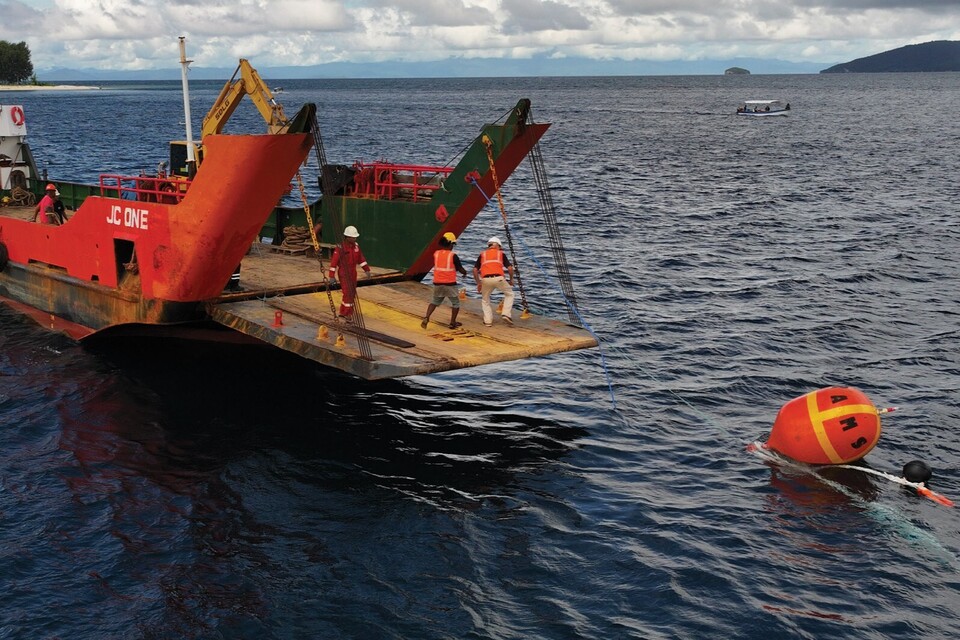
Additionally, UK investment has facilitated the development of a new mooring system that allows boats to anchor without causing damage to the reefs. To date, ten moorings have been installed, which have helped protect over 1,700 species of coral.
Expanding sustainable practices
Across Indonesia, UK funding has enabled more than 526,000 hectares to be managed under sustainable practices. This initiative directly contributes to the International Climate Fund’s Key Performance Indicator 17. The support not only protects biodiversity and food security but also aids coastal communities in finding sustainable methods to maintain fish stocks for future generations, thereby reinforcing global food security.
Source: Department for Energy Security and Net Zero