Research shows that volunteering provides a greater sense of purpose
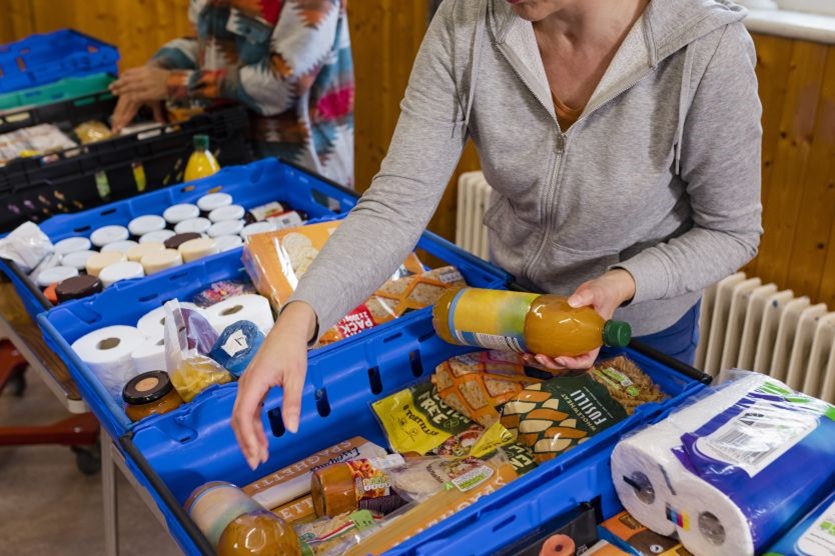
New research has revealed that while volunteering provides individuals with a greater sense of purpose, it is also associated with increased levels of anxiety. The study, conducted by psychologists from Anglia Ruskin University (ARU), analysed data from 7,146 adults in England who participated in the Taking Part Survey by the Department for Digital, Culture, Media and Sport.
Insights into volunteering’s impact
Volunteering is widely viewed as beneficial for society, addressing unmet needs in communities and contributing significantly to the economy, with estimates suggesting it accounts for about 2.5% of global GDP. The findings, published in the journal Behavioral Sciences, indicate that individuals who volunteered in the past year reported a stronger sense of their lives being worthwhile.
After adjusting for various factors related to wellbeing and loneliness, including gender, age, level of deprivation, health, and employment status, the research demonstrated that the positive impact of volunteering on perceived life worth was more than 1.5 times greater than that of being employed.
Complex relationship with wellbeing
The researchers hypothesised that this enhanced sense of purpose could stem from the personal significance of the activities undertaken in volunteering, which often occur in charitable or not-for-profit contexts. Engaging in causes that resonate personally may enhance feelings of purpose. However, the study noted that volunteering did not correlate with increased happiness, life satisfaction, or reduced loneliness, despite its common promotion as a form of ‘social prescribing’.
Importantly, the research found that volunteering was linked to significantly higher anxiety levels. This suggests that while volunteering may contribute to a meaningful life, it can also involve emotional challenges and distress.
Understanding the emotional costs
Dr Helen Keyes, the lead author and Head of the School of Psychology, Sport and Sensory Sciences at ARU, expressed that the findings portray a more intricate picture of volunteering’s impact on wellbeing.
Dr Keyes emphasised that the results should not discourage volunteering, as it provides significant societal benefits. Instead, they highlight the necessity for adequate support for volunteers, recognising that those who dedicate their time to assist others may also require support themselves.
She concluded by noting that volunteering offers a distinct contribution to society, providing individuals with a sense of life’s importance and purpose, even if it does not always lead to increased happiness. The research revealed that volunteering was a stronger predictor of life worth than employment, suggesting that such activities may fulfil personal values and directly aid others in unique ways.
Source: Anglia Ruskin University