NHS launches trial of blood test to detect cancers earlier
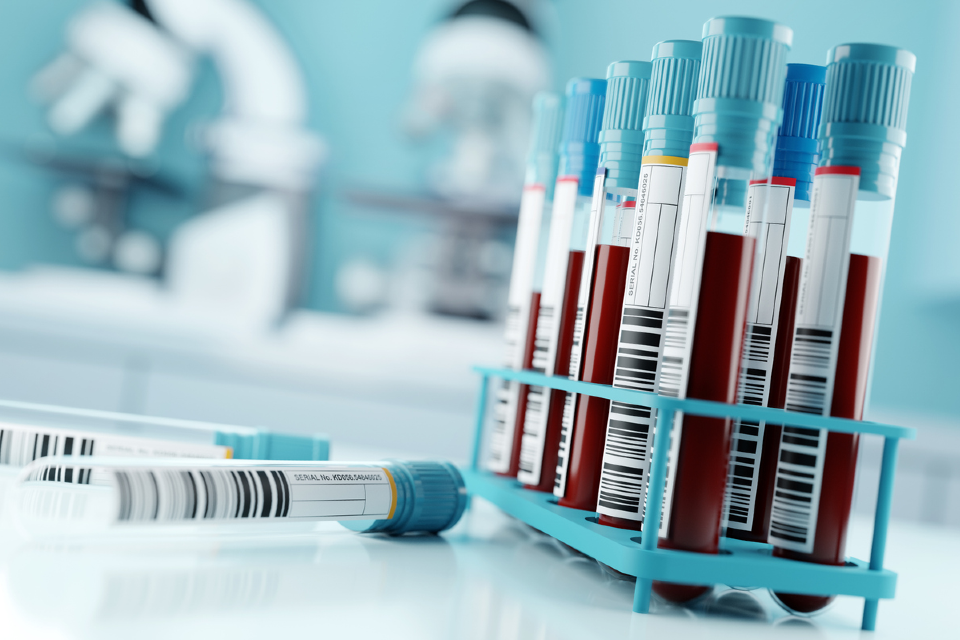
A groundbreaking trial is set to commence across at least 200 GP practices in England, involving more than 20,000 NHS patients. This initiative aims to investigate whether blood tests can facilitate earlier detection of various abdominal cancers, including prostate, ovarian, bowel, pancreatic, stomach, and liver cancers.
Focus on early diagnosis
The trial, which targets patients aged 45 and older presenting with abdominal symptoms like persistent bloating or discomfort, seeks to identify early indicators of cancer before severe symptoms arise. This proactive approach has the potential to enable earlier treatment, significantly improving survival rates for these often late-diagnosed cancers.
Currently, approximately 71,000 individuals in England receive diagnoses for pancreatic, stomach, liver, ovarian, or bowel cancer each year, with nearly 35,000 fatalities attributed to these conditions. The stark contrast in survival rates highlights the urgency of early detection; around 90% of bowel cancer patients diagnosed at stage 1 survive for at least five years, compared to just 10% at stage 4.
Trial details and technology
The blood tests to be employed in this trial, known as STRIDE-RCT, will analyse a single sample to detect signs of multiple cancers and indicate their potential origin in the body. Developed by the University of Birmingham, these tests will involve the collection of one or two blood samples during routine GP visits.
Utilising advanced technologies, including artificial intelligence and protein measurement, the tests aim to enhance GPs’ ability to identify patients requiring urgent referrals. However, it is essential to note that a positive test result does not equate to a confirmed cancer diagnosis.
Government support and potential impact
This trial is funded by the Office for Life Sciences, with up to £8.49 million allocated through the government’s National Institute for Health and Care Research (NIHR). It aims to encompass a diverse range of communities, including inner-city, rural, seaside, and deprived areas, aligning with the goals of the National Cancer Plan for England to facilitate earlier cancer identification.
Health Secretary Yvette Cooper emphasised the critical nature of early diagnosis. The trial is expected to inform future decisions on the nationwide implementation of these blood tests.
Expert insights and expectations
Healthcare experts have expressed optimism regarding the potential of this trial. Professor Peter Johnson, NHS National Clinical Director for Cancer, noted the difficulty in early detection of abdominal cancers due to symptom overlap with less severe conditions. He highlighted the trial’s significance in revolutionising cancer diagnosis.
Other health professionals, including Dr Anisha Patel, a GP and bowel cancer survivor, shared personal insights on the importance of early diagnosis for improving treatment outcomes. They reiterated the need for innovative tools to assist GPs in navigating the complexities of cancer symptoms.
As the trial progresses, it will be crucial to gather evidence on the effectiveness of these blood tests in enhancing the diagnostic process, potentially transforming the landscape of cancer care in the UK.
Source: Department of Health and Social Care