NHS launches lung cancer screening programme for current and former smokers in Harlow
Current and former smokers in Harlow will soon have access to a lung cancer screening programme, as local health leaders highlight the importance of early detection in saving lives. The NHS initiative aims to identify lung cancer and other related conditions before symptoms become apparent.
Screening details and eligibility
The NHS Lung Cancer Screening programme has begun inviting eligible residents in Harlow, specifically targeting those aged between 55 and 74 who are current or ex-smokers. To receive an invitation, individuals must have their smoking history documented with their GP practice.
Harlow is the first area in west Essex to launch this important screening initiative, with Uttlesford and Epping Forest set to follow in the future. To date, approximately 450 cases of lung cancer have been detected through the programme across Essex, with around 75% identified at early stages (1 or 2), which allows for more effective treatment.
Importance of early detection
Dr Sara Astbury, a local GP and Clinical Lead for Cancer at NHS Essex, expressed her satisfaction with the launch. She emphasised that lung cancer is the leading cause of cancer-related deaths in the UK, often developing without clear symptoms.
In many cases, symptoms may be mistaken for less serious conditions, making screening crucial. Those who receive an invitation are encouraged to respond, as most will be found to have normal results. However, early detection can provide crucial opportunities for intervention.
Next steps for residents
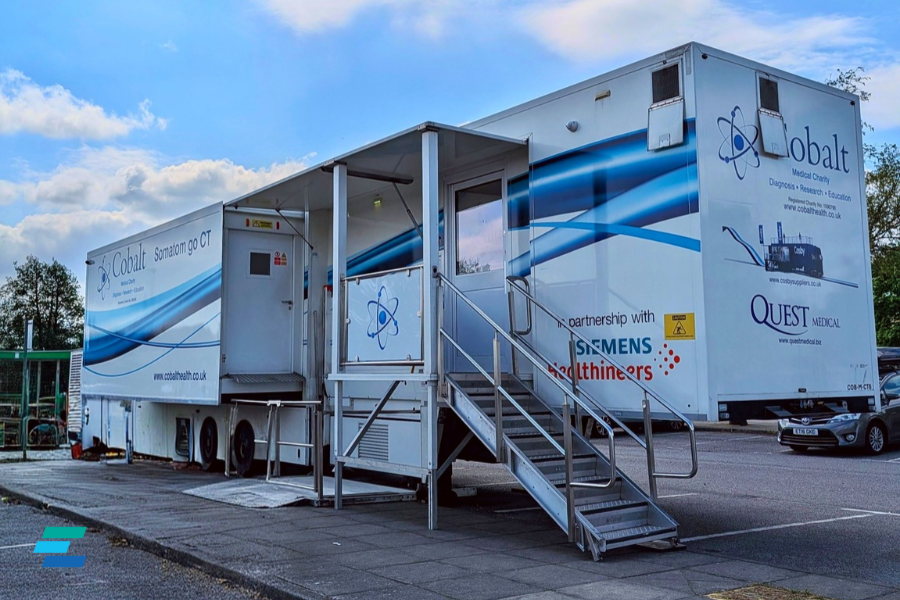
The lung cancer screening initiative will coincide with Lung Cancer Awareness Month, observed annually in November. Over the coming months, Harlow residents will be contacted and will initially engage in a telephone consultation with a specialist nurse. Those identified as being at higher risk will be offered a low-dose CT scan at a mobile unit, which is expected to arrive in Harlow next month.
This proactive approach aims to enhance the chances of early diagnosis and improve overall health outcomes for those at risk in the community.
Source: NHS Essex Integrated Care Board