NHS delivers one million additional scans to improve cancer diagnosis
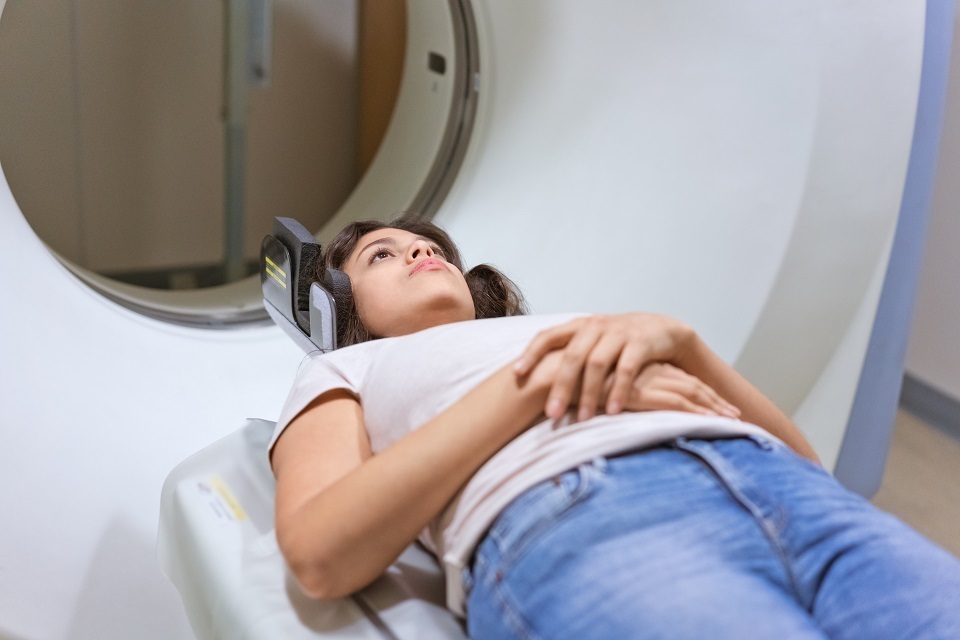
Patients across England are experiencing quicker cancer diagnoses, with the NHS delivering an additional one million scans thanks to the introduction of 125 new CT and MRI scanners and the application of advanced AI technology. This expansion, detailed in NHS England data released on 3 November 2026, has significantly enhanced diagnostic capacity for identifying cancer and other serious conditions.
Increased diagnostic capacity
The increase in scanners, which occurred between March 2024 and March 2026, has allowed for earlier diagnosis and quicker access to treatment for patients. Each month in 2026 has set records for NHS diagnostic activity, and the waiting list for diagnostics has decreased in three of the five months since April. Since July 2024, the overall waiting list for elective care has also dropped by over 250,000 patients.
CT and MRI scanners play a crucial role in diagnosing various cancers, including lung, brain, breast, and prostate cancer. The addition of more scanners means that patients can receive necessary tests sooner, thereby reducing wait times for diagnosis and treatment.
AI technology and community diagnostic centres
Karin Smyth, the Minister of State for Health, highlighted the importance of timely diagnosis and treatment for patients with serious conditions. The expansion of NHS capacity, alongside the introduction of AI technology, aims to meet the increasing demand for health services. The new scanners and AI advancements are expected to facilitate approximately one million extra scans annually.
A notable development is the recent opening of the Manchester and Trafford Community Diagnostic Centre (CDC), which boasts modern facilities and advanced equipment, providing patients with quicker access to essential tests and scans in their local area. This £19.2 million investment underscores the NHS’s commitment to delivering healthcare closer to home.
Impact on patient care and future plans
AI-powered MRI technology is being rolled out across the NHS, allowing services to perform around 14% more scans while maintaining high-quality images. This technology helps hospitals increase appointment availability and reduces the time patients spend in scanners.
Currently, over half of the compatible NHS MRI scanners have been fitted with AI acceleration software, which optimises scan times by requiring less data for quality images. By 2029, every NHS trust is expected to have the opportunity to upgrade suitable MRI scanners, potentially adding up to 162,000 more checks annually.
Dr Stephen Harden, President of the Royal College of Radiologists, emphasised the necessity of having adequate equipment and workforce to meet the rising demand for diagnostic scans. The continued rollout of newer and AI-enabled scanners is crucial for efficiently and safely scanning more patients.
This expansion and technological advancement signify a pivotal step in improving patient care and enhancing the efficiency of NHS services across England.
Source: Department of Health and Social Care