New social care plans increase familiarity with carers and reduce travel
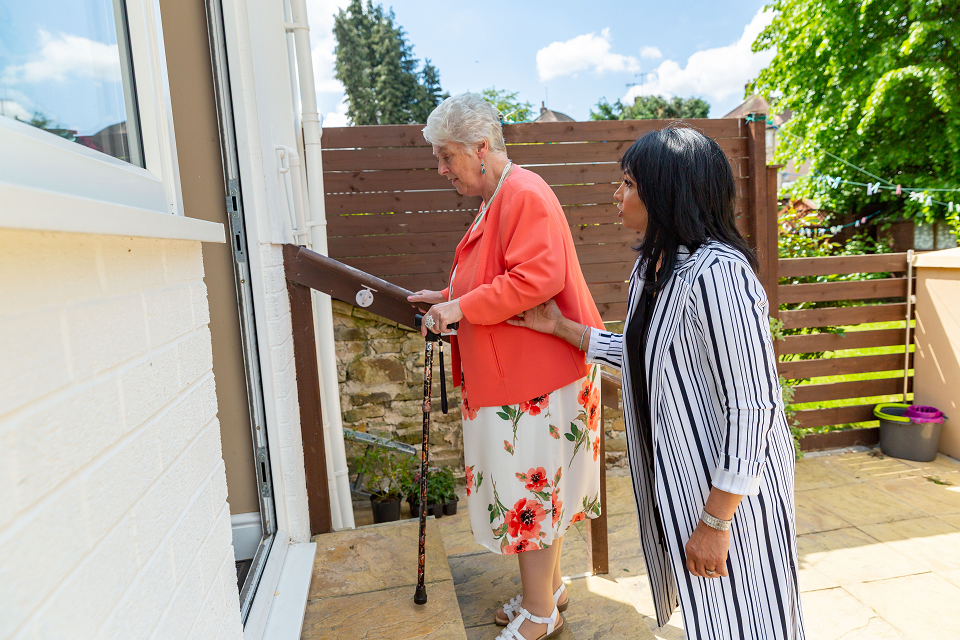
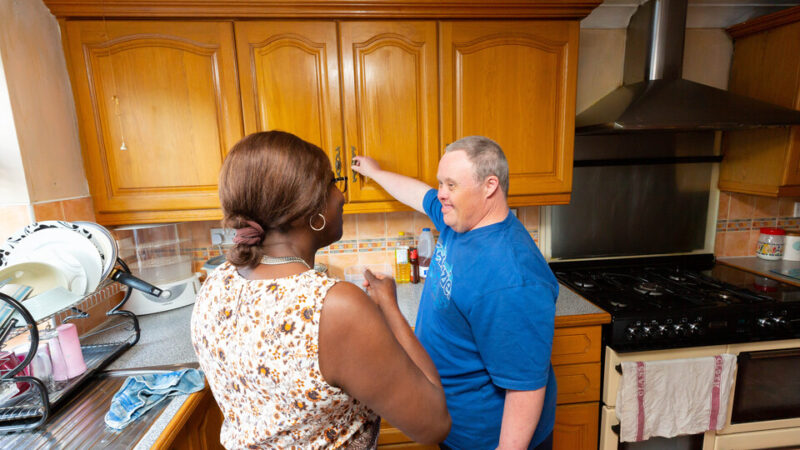
Under new plans for social care, individuals will be more likely to see the same carer regularly, enabling better understanding of their needs and quicker identification of changes in their health. Local councils will now arrange home care within smaller geographical areas, known as neighbourhoods, to achieve this goal.
Changes to home care commissioning
With the new neighbourhood commissioning model, councils will focus on contracting home care services from one or two main providers for each area. This approach aims to reduce the time care workers spend travelling between appointments and increase the consistency of care provided to individuals.
The initiative is expected to allow care workers to spend their working hours in a designated smaller area, fostering familiarity with the individuals they support. This will not only enhance the relationship between carers and recipients but also facilitate earlier detection of health changes, leading to timely interventions.
Government support and guidance
The government plans to release new guidance and toolkits in the spring to assist local councils in implementing these neighbourhood-based models. Over the coming months, collaboration between the government and local councils will track the progress of these changes.
Alison McGovern, Minister of State for Social Care and Mental Health, highlighted the need for a national care service, stating that neighbourhood commissioning is a significant step in that direction. She emphasised that the new model will create personalised care experiences, allowing individuals to build relationships with their carers and receive more attentive support.
Impact on the community and workforce
The shift towards community-based care aligns with the government’s 10 Year Health Plan, which aims to enhance collaboration among GPs, local councils, and social care providers. This will ultimately lead to improved health and care services in local communities.
As part of this initiative, the government has announced a £40 million fund aimed at providing additional support to approximately 300,000 vulnerable patients, helping to prevent unnecessary hospital admissions.
In the short term, the government will also allocate an extra £4.6 billion in funding for local councils for the years 2028 to 2029, alongside establishing fair pay agreements for care workers and developing a workforce plan for adult social care.
Reactions from the sector
Dr Jane Townson OBE, Chief Executive of the Homecare Association, welcomed neighbourhood commissioning, affirming its potential to enhance care quality and support fair working conditions. She stressed the importance of ensuring that care fees adequately cover costs and that individuals retain a choice over their support.
The Care and Support Alliance, represented by co-chairs Caroline Abrahams CBE, Emily Holzhausen CBE, and Jackie O’Sullivan, expressed optimism about the benefits of neighbourhood-level commissioning, including improved continuity of care and stronger relationships between care professionals and those receiving support.
Phil Holmes, President of the Association of Directors of Adult Social Services, noted the importance of personal relationships in care, stating that consistency can lead to better outcomes for individuals receiving support. He emphasised the need to shift away from a system focused solely on time and tasks towards one based on trust and personalised support.
Source: Department of Health and Social Care