Home Office launches ‘No Place for Knives’ campaign to tackle knife crime in hotspots
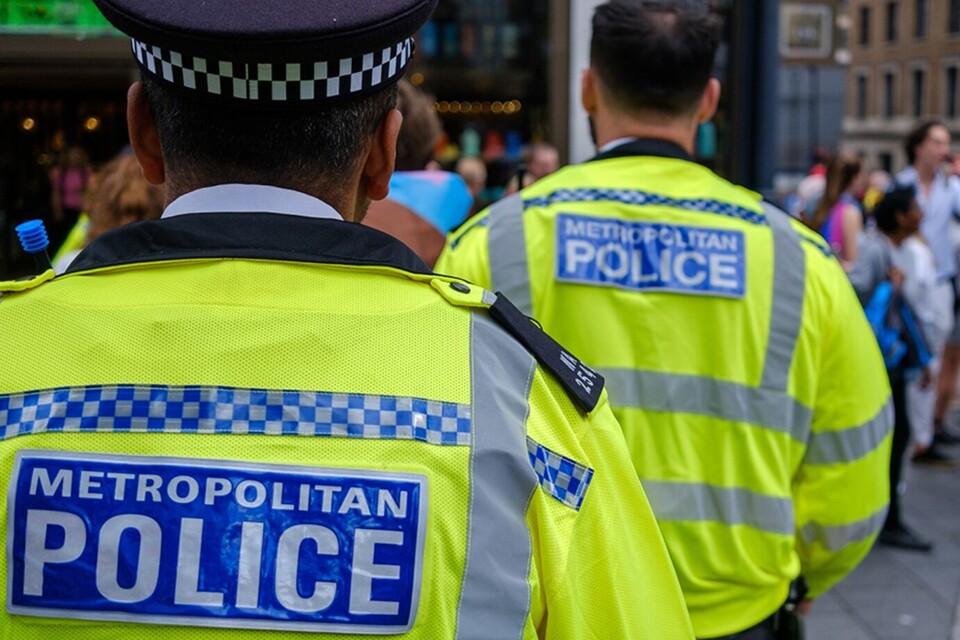
Criminals in Westminster, Croydon, and Birmingham are facing increased police action as part of a new Home Office campaign aimed at tackling knife crime. The ‘No Place for Knives’ initiative launches today and will include advertisements in public transport areas and on social media, alongside a mural at Boxpark Croydon.
Campaign details and police measures
The campaign aims to inform the public about heightened police activity, which will include the use of advanced metal detection technology, rapid response e-bikes, additional foot patrols, and live facial recognition. Developed collaboratively by the Home Office, police forces, and local authorities, the campaign specifically targets individuals at the highest risk of engaging in knife crime.
Westminster, Croydon, and 16 other boroughs in Greater London have received over £8.1 million through the Home Office’s Knife Crime Concentrations Fund to implement targeted interventions. This funding supports both enforcement strategies highlighted in campaign materials and preventive measures, such as outreach programmes for youth and visible safety patrols in nightlife districts.
Statistics and government response
Recent statistics indicate that knife crime has decreased by 11% since the last General Election, with knife-related homicides down by 25% and knife-enabled robberies reduced by 18%. In London specifically, knife crime has fallen by 14%, with a 34% decrease in homicides linked to knives and a 19% drop in knife-enabled robberies.
Policing and Crime Minister Sarah Jones emphasised the importance of safety in urban areas, stating, “Everyone in Westminster and Croydon deserves to feel safe on their streets.” She highlighted the government’s commitment to using intelligence and technology to combat knife crime effectively.
Police commitment and community support
Commander Pete Stevens from the Metropolitan Police acknowledged the severe impact of knife crime on families and communities. He noted that police efforts are yielding results, with knife-enabled crimes in London decreasing by 14.9% over the past financial year, and a 29% reduction in hospitalisations due to knife attacks over the last five years.
Inspector Colin Gallier, manager of the West Midlands Police Guardian Taskforce, expressed support for the campaign, stressing the importance of removing knives from the streets and diverting young individuals towards positive alternatives. He highlighted new policing strategies, including the use of e-bikes and specialist patrols, to enhance community safety.
Community involvement and feedback
Mick Duthie, Director of Operations at Crimestoppers, underscored the charity’s role in providing a confidential means for individuals to report knife-related violence. He noted that community information sharing can help prevent harm and protect young people.
Patrick Green, CEO of the Ben Kinsella Trust, applauded the campaign for incorporating insights from young people during its development. He remarked on the importance of addressing the pressures that lead to knife carrying, indicating that the campaign offers a more authentic approach to encouraging safer choices.
Source: Home Office