Health and Social Care Secretary discusses NHS milestones at King’s Fund

The National Health Service (NHS) is approaching its 80th anniversary this month, a significant milestone that highlights its founding principles and ongoing evolution. The establishment of the NHS in 1946 was aimed not only at treating illness but also at improving the overall health of the nation through preventative measures and community care.
Reflecting on the NHS’s founding principles
In the early debates surrounding the NHS, Minister of Health Nye Bevan expressed hope that the King’s Fund would continue its essential work. The original intentions of the NHS included a commitment to preventing illness and enhancing mental and physical health, which were seen as crucial for societal wellbeing. Bevan’s belief in the importance of preventative medicine laid the groundwork for future health policies.
The emphasis on community care has remained a significant focus, with historical figures like Barbara Castle advocating for reduced reliance on hospitals in favour of support within local communities. Despite these early intentions, progress towards integrating health and social care has often been hindered over the decades, highlighting a recurring challenge in the NHS.
Current challenges and the need for reform
Today, the NHS faces unprecedented pressures, with record numbers of patients attending A&E and increasing demand for services. Recent statistics show that in October, 2.5 million people visited A&E, the highest number recorded for any month. The strain on emergency departments has become critical, with many patients experiencing prolonged waits for care.
The growing elderly population, particularly those living with frailty, is contributing to the rising demand for hospital services. It has become evident that a shift towards early intervention and community-based support is urgently needed to ensure that the NHS can continue to provide adequate care for all.
A vision for neighbourhood health services
A new approach is being proposed to address these challenges, focusing on building a neighbourhood health service alongside a National Care Service. This initiative aims to provide personalised care for individuals with the greatest health needs, ensuring they receive support before reaching a crisis point.
To facilitate this, an ambitious plan has been set in motion. This winter, GPs will receive funding to create care plans for the most vulnerable patients, with the aim of preventing unnecessary hospital admissions. Additionally, Integrated Care Boards (ICBs) will be tasked with commissioning new care management services to support those at home, expanding from half a million to two million patients over the coming years.
Implementing practical changes for better outcomes
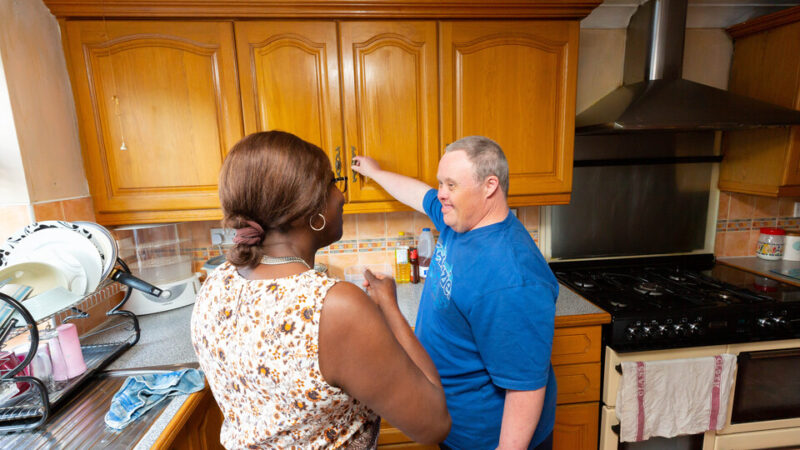
The proposed changes entail the establishment of Neighbourhood Support Teams, which will coordinate health and social care for individuals with complex needs. These teams will work closely with patients and their families, providing proactive support and monitoring to ensure that individuals receive the right care at the right time.
This model aims to shift the focus from reactive treatment in hospitals to preventative care within communities, aligning with the original vision of the NHS. By fostering collaboration between health and social care services, the initiative aspires to enhance patient outcomes and improve the overall effectiveness of the healthcare system.
The commitment to integrate care services and promote early intervention reflects the foundational ethos of the NHS, aiming to ensure that all individuals, especially the most vulnerable, receive the support they need to thrive. As the NHS approaches its 80th anniversary, this renewed focus on community health and preventative care seeks to fulfil the promise made nearly eight decades ago.
Source: Department of Health and Social Care