Efforts to improve early cancer diagnosis focus on decisions before contacting healthcare services

Efforts to enhance early cancer diagnosis are focusing on the crucial decisions individuals make before contacting healthcare services, according to Dr Elizabeth Towers, NHS Essex System Clinical Lead for Cancer. She highlighted that these decisions often stem from personal uncertainties and societal influences that can delay seeking medical advice.
Understanding the hesitance to seek help
Dr Towers pointed out that many people may hesitate to approach their GP due to uncertainty about the seriousness of changes in their health. This delay can impact early diagnosis, making it essential to understand the factors contributing to this hesitance. Listening to personal experiences can provide valuable insights that could improve support systems.
Community-based initiatives
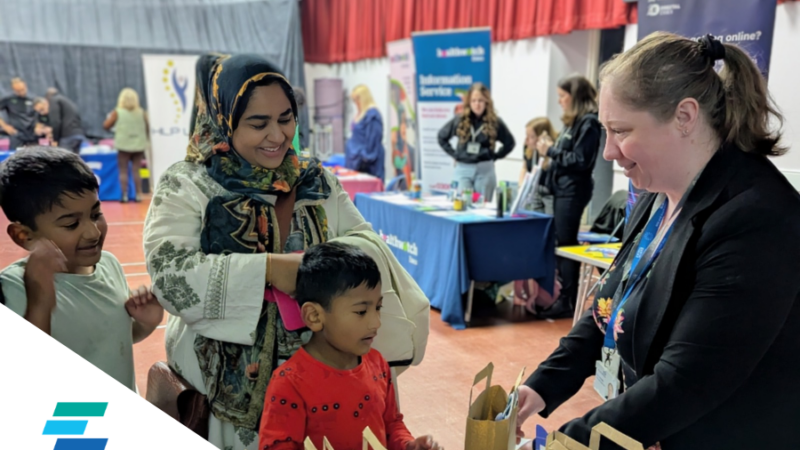
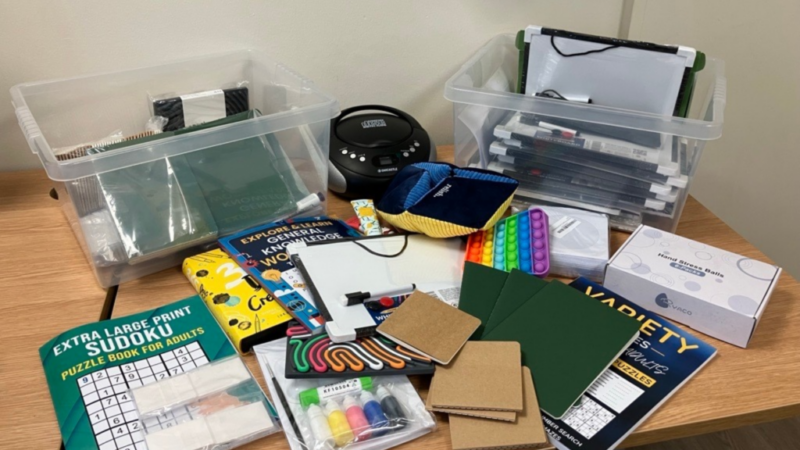
An example of this approach is the recent breast screening microgrants allocated to eight local organisations. These grants facilitated conversations about breast screening in familiar community settings rather than traditional NHS environments. Activities included peer support and the provision of information in various formats, such as Urdu translations and tactile materials for visually impaired women.
Through these initiatives, individuals gained vital information about their eligibility for screening and support options. For instance, a woman in her 70s was able to arrange her screening following discussions at a community hub, while another woman expressed her concerns and sought further information during a session conducted in her native language.
Gathering feedback for improvement
The breast screening project also incorporated a survey to gather feedback, which informed the creation of an educational film about the screening process that has since reached over 15,000 viewers. This feedback mechanism is crucial for understanding community concerns and improving future campaigns.
Expanding outreach to cervical and ovarian cancer
Building on the insights gained, similar community engagement strategies are being used for cervical screening. Feedback from public surveys revealed issues like anxiety and practical barriers, which led to the development of informative films addressing common questions people have about screening. This proactive approach aims to reduce hesitation around seeking medical help.
In a recent survey on ovarian cancer symptoms, approximately 70% of respondents expressed concern about potential symptoms, yet only 40% indicated they would seek an appointment with their GP. This discrepancy highlights the need for campaigns that not only raise awareness of symptoms but also address the fears that may prevent individuals from seeking help.
Future initiatives and ongoing engagement
Looking ahead, microgrants will also support bowel screening initiatives. A current survey is actively gathering public opinions on screening and symptoms, which will help identify barriers and enhance support in 2027.
Furthermore, upcoming engagement efforts regarding prostate cancer will involve direct conversations with specific demographic groups to better understand their concerns and needs. Through these varied methods, the aim is to improve overall cancer outcomes by ensuring that individuals feel supported and informed throughout their health journeys.
Dr Towers concluded that effective cancer screening and care pathways are vital, but the ability of individuals to access these services is equally important. By listening to community voices, healthcare providers can design more effective strategies that address the real-life decisions people face regarding their health.
Source: NHS Essex Integrated Care Board