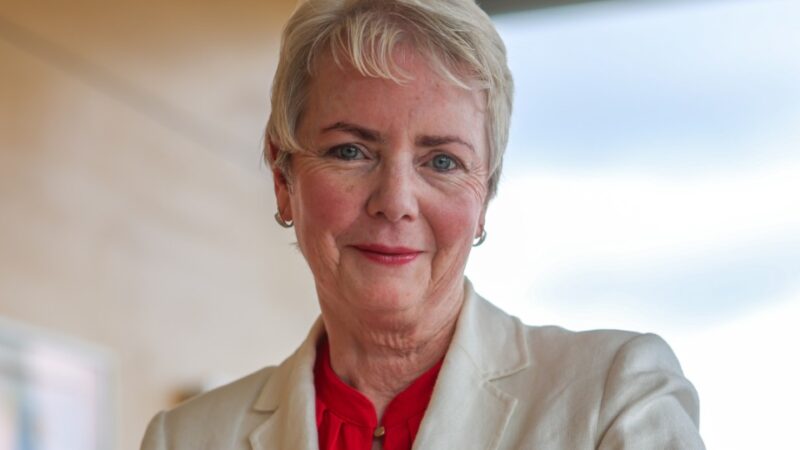
Chief Medical Officer announces ban on under-18 sales of nicotine products and vapes

The Chief Medical Officer, Professor Chris Whitty, has announced new regulations aimed at preventing the marketing of nicotine products to children and young people under 18. These measures are intended to protect young people from the lifelong health risks associated with nicotine addiction.
New regulations target nicotine products
While selling nicotine vapes to minors has been illegal, the updated regulations now extend this prohibition to include other nicotine products, such as nicotine pouches, and non-nicotine vapes. Additionally, it will be illegal for adults to purchase these products with the intent of providing them to children.
Professor Whitty highlighted that some companies have exploited legal loopholes by distributing nicotine products for free at events and festivals, a practice that will no longer be permitted under the new laws.
Health risks of nicotine addiction
Nicotine is known to be highly addictive, and those who promote it to children aim to foster dependency, ultimately creating long-term customers who may struggle to quit. Whitty noted that many individuals who become addicted to nicotine wish they had never started, but find cessation challenging.
While vaping is seen as a potential tool for helping established adult smokers transition from traditional tobacco products to less harmful alternatives, it is crucial that these products are not used by children or non-smokers. Concerns have been raised about the adverse effects of vaping on young users, particularly as the long-term health implications remain unclear.
Legislative support for safeguarding youth
The new legal changes stem from the Tobacco and Vapes Act, which was recently passed by Parliament with cross-party support. This legislation marks the beginning of a series of steps designed to make it more difficult for companies to market vaping and nicotine products to children.
One significant forthcoming measure is the introduction of a smoke-free generation initiative, which will prohibit the sale of cigarettes to anyone born on or after 1 January 2009. This aims to gradually eliminate the severe health impacts associated with smoking, including lung cancer, strokes, and heart disease.
Professor Whitty reaffirmed the strong public backing for protecting children from nicotine addiction, stating that the regulations implemented today will significantly contribute to this effort.
Source: Department of Health and Social Care