St Margaret’s Community Diagnostic Centre expands services to improve local access to care
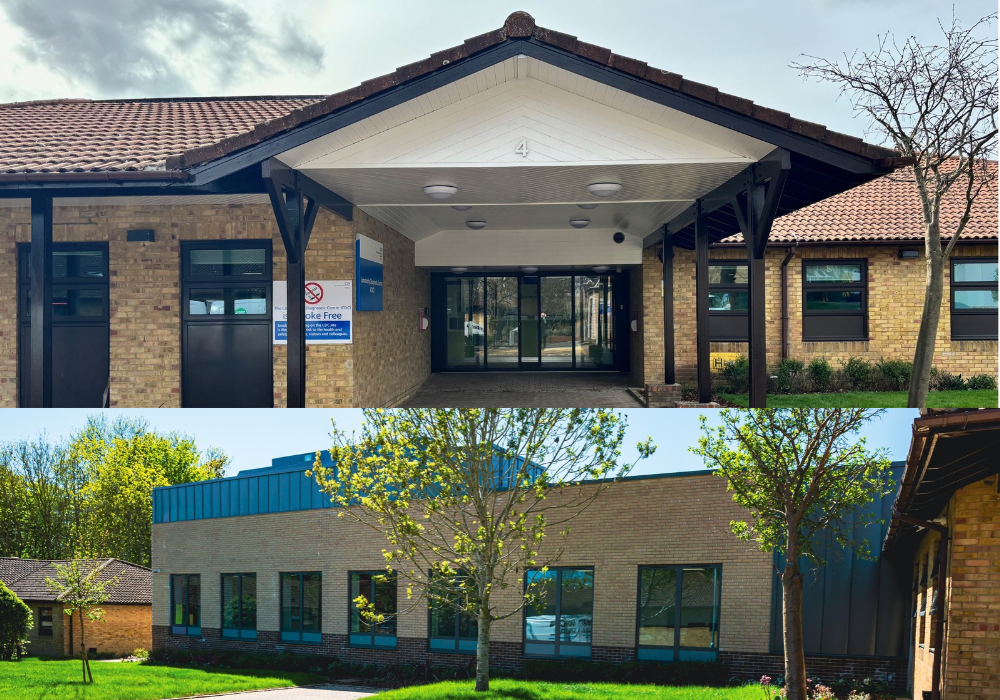
St Margaret’s Community Diagnostic Centre (CDC) in Epping is set to enhance its diagnostic services from the week beginning 14 December, improving patient access to vital tests and care in a local setting.
New services and facilities
The expansion follows the relocation of the blood testing service, which will transition from the outpatients’ department at St Margaret’s Hospital to the CDC on 16 November. This service, managed by Health Services Laboratories (HSL), aims to provide a modern environment with increased appointment availability, accommodating approximately 230 patients for blood tests daily. Patients referred by their GPs can continue to schedule appointments through Swiftqueue, with additional blood testing options available at the Harvey Centre in Harlow, Herts and Essex Hospital in Bishop’s Stortford, as well as various health centres and GP practices.
X-ray and ultrasound services
Starting 14 December, the CDC will also introduce two X-ray rooms. The walk-in service will operate Monday to Friday from 8am to 7.30pm and on weekends from 9am to 4.30pm. Patients referred by their GPs will not require an appointment, while those sent from specialist outpatient clinics can visit during those hours. Additionally, the X-ray services will relocate from their current site in the St Margaret’s Hospital outpatients’ department.
A fourth ultrasound room will open concurrently, offering both consultant- and sonographer-led non-obstetric ultrasounds, along with procedures such as ultrasound-guided steroid injections, which will necessitate appointments following a GP or specialist referral.
Innovative diagnostic tests
The CDC will also commence FibroScan appointments in December. This non-invasive test assesses liver stiffness and fat levels, commonly used for monitoring conditions like fatty liver disease and viral hepatitis. Furthermore, transnasal endoscopy (TNE) appointments are expected to begin in early 2027, utilising a flexible camera to examine the digestive tract. Both services will require specialist referrals for appointments.
A dedicated nurses’ station will be available to support patients recovering from interventional diagnostic procedures, which are minimally invasive and guided by imaging. Pre-assessment clinics will also be established to evaluate patients’ health prior to planned procedures. The haematuria one-stop clinic will continue to operate on weekends, facilitating necessary tests for patients with blood in their urine.
Increased patient capacity
With the new services launching, an estimated 350 additional patients are anticipated to utilise the CDC each day starting 14 December. Self-check-in and digital wayfinding systems will remain in place to assist patients in navigating the centre, while parking arrangements at St Margaret’s Hospital will stay the same.
Thom Lafferty, Chief Executive, stated that this expansion represents a significant advancement in the provision of diagnostic care for local communities. By consolidating various diagnostic services under one roof, the CDC aims to offer faster and more convenient access to essential tests and treatments.
Source: The Princess Alexandra Hospital NHS Trust