Expert highlights the unique sensory capabilities of amphibians and reptiles
The unique sensory capabilities of amphibians and reptiles have been highlighted by an expert from Anglia Ruskin University, showcasing their remarkable adaptations for survival in diverse environments. The study focuses on how these creatures have evolved senses that go beyond the traditional five recognised in humans.
Surinam toads and their adaptations
One of the prominent examples discussed is the Surinam toad, known for its unusual flat body and tiny eyes, which thrives in the murky waters of the Amazon basin. Despite its poor vision, this frog has developed a sophisticated method for hunting. Researchers from the University of California discovered that the toad’s fingertips, ending in clusters of tiny lobes, are equipped with touch-sensitive nerve endings that can detect the slightest movements in the water. This adaptation allows the Surinam toad to sense approaching fish even in complete darkness.
The infrared vision of snakes
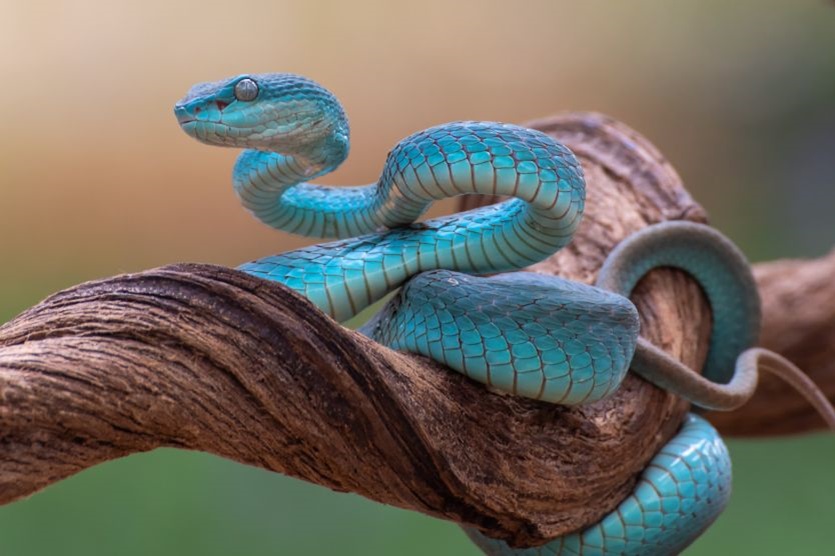
Another fascinating adaptation is found in certain snakes, such as pit vipers, boas, and pythons, which possess specialised organs on their heads that detect infrared radiation. These sensory pits enable them to perceive warm-blooded prey against cooler backgrounds, effectively creating a thermal image. This ability is particularly advantageous for nocturnal hunters, allowing them to locate prey even when visibility is low.
Unique sensory integration
Snakes also use their forked tongues to gather chemical information from their environment, enhancing their hunting and mating strategies. In contrast, amphibians utilise their skin for multiple functions, including respiration and sensory perception. Frogs, for example, have receptors in their skin that can detect touch, pressure, and vibrations, allowing them to remain still while still monitoring their surroundings. This strategy helps them avoid detection by predators.
Magnetoreception in migratory species
Perhaps the most enigmatic capability is magnetoreception, which allows certain amphibians and reptiles to sense the Earth’s magnetic field. Evidence of this ability has been observed in various species, including salamanders, frogs, turtles, and crocodilians. For migratory creatures like sea turtles, this sense can guide them over vast distances, effectively acting as a natural map without the need for modern navigational tools.
Conclusion on sensory diversity
The exploration of these unique sensory abilities serves as a reminder of the evolutionary diversity present in the animal kingdom. Amphibians and reptiles demonstrate that there are myriad ways to experience and interact with the world, far beyond human perception. Each sensory adaptation plays a crucial role in their survival and highlights the complexity of life on Earth, offering insights into the intricate connections between organisms and their environments.
Source: Anglia Ruskin University