Researchers explore whether NAD+ supplements can promote healthy ageing
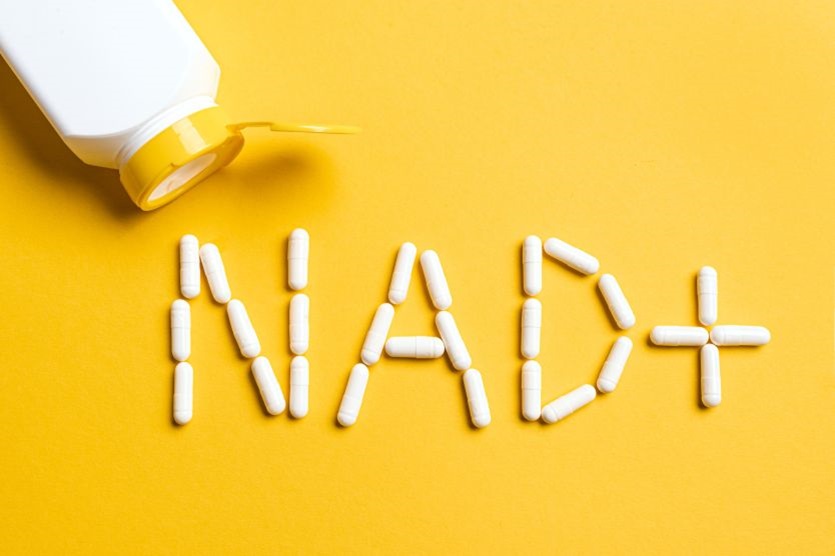
Interest in anti-ageing supplements has surged, with claims that they can enhance energy, vitality, and even longevity. Among these, NAD+ (nicotinamide adenine dinucleotide) has become a focal point, sparking discussions about its potential health benefits.
Understanding NAD+
NAD+ is a crucial molecule present in all human cells, essential for converting food into energy. It supports various enzymes and proteins, notably sirtuins, which play roles in regulating inflammation, DNA repair, and mitochondrial function. Research indicates that NAD+ levels decline with age, partly due to DNA damage and increased activity of certain enzymes that consume NAD+ more rapidly. This decline can vary significantly among individuals and tissues, with some studies suggesting reductions between 10% and 80% as we age. Lower levels of NAD+ have been associated with decreased cellular energy production and slower DNA repair, both linked to ageing.
Can supplements effectively boost NAD+ levels?
The efficacy of NAD+ supplements in raising NAD+ levels remains somewhat unclear. Direct supplementation of NAD+ is challenging as it is broken down during digestion. An alternative, liposomal NAD+, has shown promise in a 2026 study where participants taking 1,000 mg daily for two weeks saw NAD+ levels in cells increase by over 64%, though larger studies are necessary for validation.
Most research has concentrated on NAD+ precursors, such as nicotinamide riboside (NR) and nicotinamide mononucleotide (NMN), both derived from vitamin B3. Evidence suggests that these compounds can effectively raise NAD+ levels in the bloodstream. One study indicated that NR supplementation in overweight adults led to a 142% increase in blood NAD+ levels after two weeks. Another trial found that 250 mg of NMN daily boosted NAD+ levels by around 50% over four weeks.
Potential health benefits of increased NAD+
Animal studies have shown positive outcomes from increasing NAD+ levels, including improvements in muscle function, metabolism, and cognitive abilities. For instance, older mice given NR for six weeks experienced an average lifespan increase of 39 days, equating to approximately 5%. However, human studies have yielded mixed results.
A systematic review of 33 human studies revealed inconsistent effects on physical function and healthy ageing metrics. One study showed a 7% improvement in walking speed and a 4% increase in grip strength among older men taking NMN, although the small sample size necessitates further research. Conversely, another study involving older men with diabetes found no significant improvements after taking NMN for 24 weeks.
Current stance on NAD+ supplements
The emerging research on NAD+ supplements presents an intriguing picture. While precursors like NR and NMN have been shown to elevate blood NAD+ levels, there is insufficient evidence to confirm that these supplements can significantly enhance health or longevity. Larger and longer-term clinical trials are needed to determine if they can provide meaningful health benefits.
In the meantime, established methods for healthy ageing, such as maintaining a balanced diet, managing stress, and engaging in regular physical activity, remain the most supported strategies for promoting health as one ages.
Source: Anglia Ruskin University